
When to Use Active Learning vs. Traditional Lectures in Education
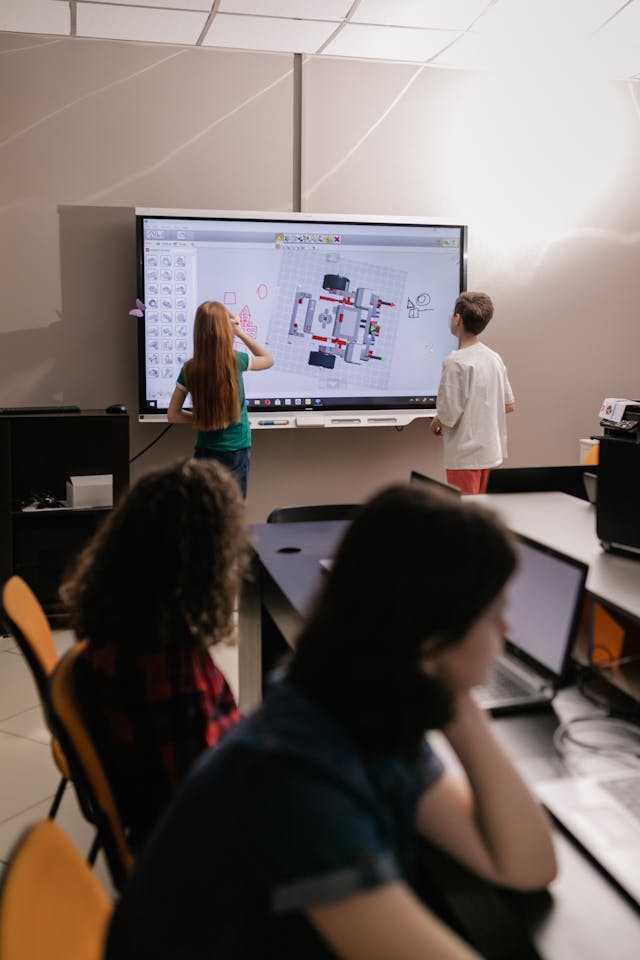
Understanding Active Learning and Traditional Lectures
In the realm of education, two predominant methods vie for attention: active learning and traditional lectures. Both approaches have their merits, but determining when to employ each can significantly enhance the educational experience. Active learning emphasizes student engagement through activities like discussions, problem-solving, and collaborative projects. In contrast, traditional lectures involve a more passive transfer of knowledge from teacher to student.
Effectiveness of Active Learning
Engagement and Interaction
Active learning fosters a participatory atmosphere where students are encouraged to engage with the material actively. This approach is particularly effective in small to medium-sized classes where interaction is feasible. For instance, a biology class can benefit from group-based laboratory experiments that promote hands-on learning, reinforcing theoretical concepts through practice.
Retention and Application
Research shows that active learning improves retention rates as students apply what they learn in real-time. Techniques such as think-pair-share or case studies allow students to process information deeply. A literature course might use active learning by having students role-play characters to explore different narrative perspectives.
The Role of Traditional Lectures
Information Delivery
Traditional lectures are particularly effective for delivering substantial content quickly, making them suitable for large classes where individual engagement is challenging. A history professor, for example, might use lectures to efficiently cover extensive historical periods before engaging students in more interactive activities.
Structured Learning Environment
Lectures provide a structured format where information is organized logically, which can be beneficial for subjects requiring a linear understanding, such as mathematics or chemistry. This method ensures that foundational concepts are covered systematically, building a solid knowledge base for further exploration.
Choosing Between the Two: Key Considerations
Class Size and Dynamics
The size and dynamics of a class are crucial factors in deciding between active learning and lectures. Small classes allow for more interaction, making active learning viable. However, in larger settings, lectures can be complemented with technology, such as clickers or online polls, to maintain some level of interactivity.
Subject Matter
The complexity and nature of the subject also influence the choice. Subjects that benefit from discussion and exploration, such as philosophy or sociology, align well with active learning. Conversely, subjects like anatomy, which require a vast amount of factual knowledge, may initially benefit from lecture-based teaching followed by active methods to consolidate understanding.
Student Needs and Preferences
Understanding the needs and preferences of students can guide educators in choosing the appropriate method. Some students thrive in environments where they can learn passively before engaging actively. It's vital to assess the learning styles within a classroom and adapt accordingly.
Implementing a Blended Approach
Combining Strategies for Maximum Impact
A blended approach that combines both methods can cater to diverse learning needs and optimize outcomes. For example, an introductory physics course might start with lectures to build foundational knowledge, followed by lab sessions where students apply concepts through experimentation.
- Start with an engaging lecture to introduce new topics.
- Transition into active learning activities to deepen understanding.
- Use assessments to evaluate the effectiveness of each method.
Incorporating Technology
Technology can bridge the gap between active learning and lectures. Online platforms like Moodle or Kahoot! offer tools for quizzes and discussions that enhance traditional lectures by adding elements of interactivity.
A Practical Mini-Framework for Educators
- Assess Your Classroom: Determine class size and identify student preferences using surveys.
- Select Your Strategy: Choose the primary teaching method based on class characteristics and subject matter.
- Blend When Necessary: Integrate aspects of both active learning and lectures to address varied learning styles.
- Evaluate and Adapt: Regularly collect feedback through informal surveys or quizzes to refine your approach.
This framework enables educators to effectively navigate between these teaching strategies, ensuring that the educational environment is conducive to both engagement and comprehensive learning.