
Embracing Setbacks as Opportunities: A Guide to Growth Mindset in Academics
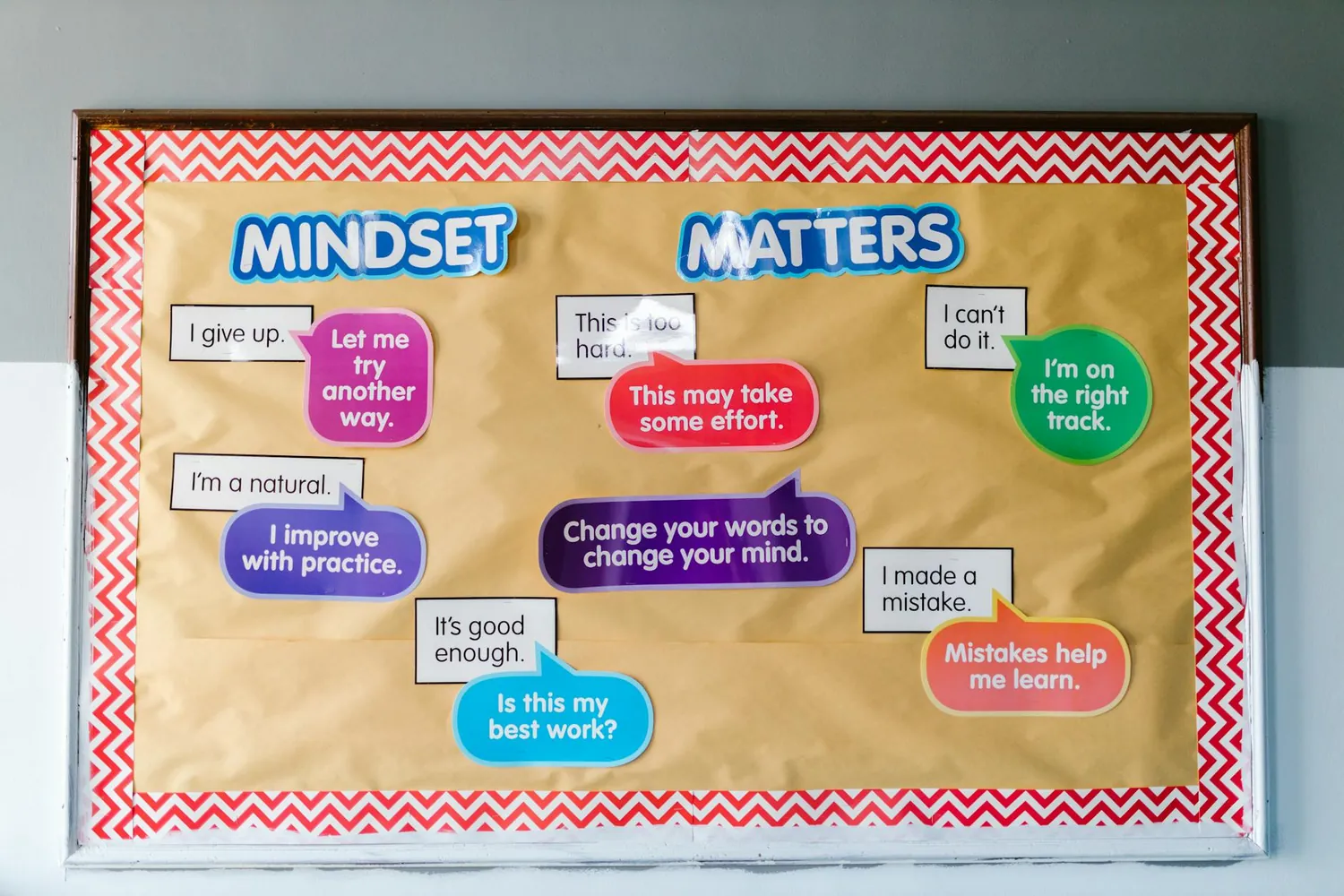
The Power of a Growth Mindset
In the realm of education, a growth mindset serves as a transformative tool for students. Coined by psychologist Carol Dweck, this concept highlights the belief that abilities and intelligence can be developed through dedication and hard work. Unlike a fixed mindset, which assumes that intelligence is static, a growth mindset fosters resilience, encourages learning from mistakes, and ultimately enhances academic performance.
The Role of Challenges in Academic Growth
Challenges are pivotal in cultivating a growth mindset. When students encounter difficult tasks, they are presented with opportunities to learn and grow. Embracing these challenges helps them develop critical thinking skills and adaptability. For example, a student struggling with calculus might initially view the subject as insurmountable. However, with persistence and the right strategies, they can conquer their difficulties and emerge more proficient in mathematical reasoning.
Strategies for Cultivating a Growth Mindset
Reframing Failures as Learning Opportunities
One effective strategy is to teach students to view failures not as setbacks but as essential steps in the learning process. By encouraging reflection on what went wrong and how to improve, educators can help students gain valuable insights. For instance, after a poor performance on an exam, students might identify ineffective study habits or gaps in their understanding. Armed with this knowledge, they can adjust their approach and improve future outcomes.
Setting Incremental Goals
Incremental goals offer a structured path to success, breaking down larger tasks into manageable milestones. This approach not only prevents overwhelm but also allows students to celebrate small victories, boosting their confidence. For instance, mastering one chapter of biology per week is more achievable than attempting to learn an entire textbook at once.
Encouraging Self-Reflection
Self-reflection is a crucial component of adopting a growth mindset. Students should regularly assess their strengths and weaknesses to develop personalized improvement plans. Journaling can be an effective tool in this process, enabling students to document their progress, reflect on challenges, and strategize solutions.
Practical Applications in the Classroom
Feedback that Fosters Growth
Constructive feedback is vital for fostering a growth mindset in the classroom. Teachers should focus on providing feedback that emphasizes effort and improvement rather than innate ability. Comments like "You've improved significantly since your last test; keep practicing those problem areas" can motivate students to persist.
Creating a Supportive Environment
A classroom environment that celebrates effort and perseverance encourages students to take risks without fear of failure. Educators can foster this by highlighting success stories of perseverance and by recognizing all forms of progress, not just top scores.
- Create bulletin boards displaying student achievements related to effort.
- Host discussions on famous figures who overcame setbacks.
Peer Collaboration
Collaborative learning experiences can reinforce growth mindsets by allowing students to learn from one another's strengths and support each other through challenges. Group projects that require diverse skills can teach students the value of teamwork and collective problem-solving.
The Impact on Academic Performance
A growth mindset significantly influences academic success. Research has shown that students who adopt this mindset achieve higher grades and show greater improvement over time compared to those with fixed mindsets. This is largely due to their willingness to embrace challenges, seek out new strategies, and view effort as a path to mastery.
Case Study: From Struggle to Success
Consider the case of Jamie, a high school student who initially struggled with physics. Initially viewing his struggles as evidence of his lack of talent in the subject, Jamie was discouraged. However, with encouragement from his teacher to adopt a growth mindset, he began viewing his struggles as part of the learning process. He started setting incremental goals and actively sought feedback on his progress. Over time, Jamie's performance improved markedly, demonstrating the power of a growth mindset in transforming academic trajectories.
Conclusion: Embracing the Journey
Embracing setbacks as opportunities is a cornerstone of developing a growth mindset in academics. By reframing failures, setting achievable goals, encouraging self-reflection, fostering supportive environments, and promoting collaboration, educators can empower students to realize their potential. The journey of learning becomes not just about acquiring knowledge but about growing through every challenge encountered.