
effective techniques for fostering a growth-oriented mindset in learners
Understanding the Growth-Oriented Mindset
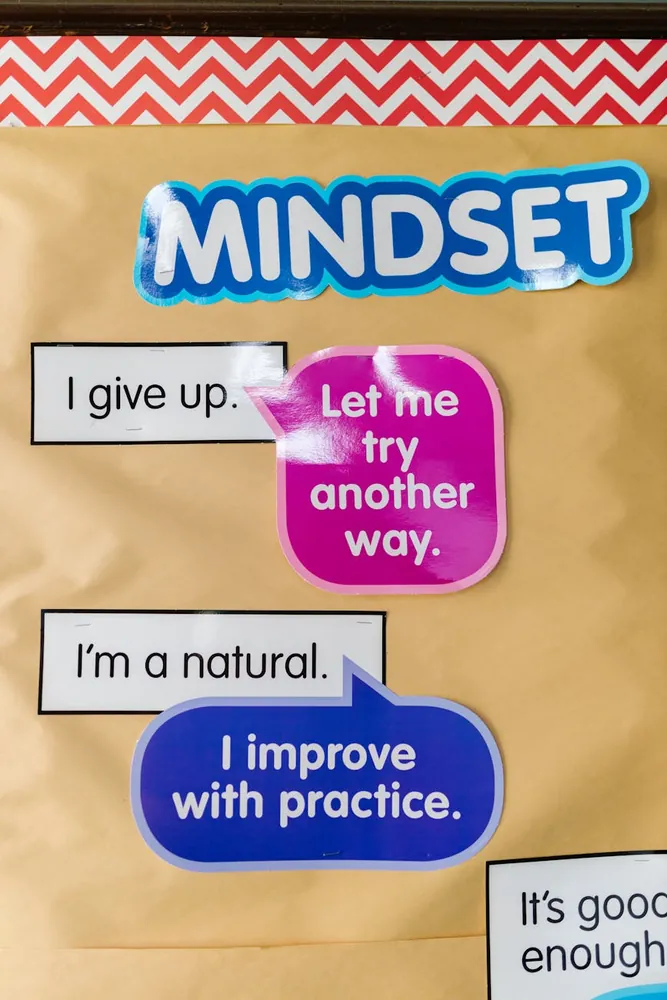
A growth-oriented mindset, a concept popularized by psychologist Carol Dweck, posits that individuals can develop their talents and intelligence through effort, good strategies, and input from others. This perspective starkly contrasts with a fixed mindset, where abilities are seen as static traits.
For educators and self-learners alike, fostering a growth-oriented mindset is crucial to overcoming challenges and achieving long-term personal development. But how can we actively nurture such a mindset? Let’s explore actionable techniques that can be integrated into both formal and informal learning environments.
Setting Incremental Challenges
One of the most effective ways to cultivate a growth mindset is by setting incremental challenges that encourage learners to step outside their comfort zones without overwhelming them.
The Power of Small Wins
Begin with small, achievable tasks that build confidence and establish a track record of success. For instance, if you're learning a new language, start with ten new words a day rather than attempting complex grammar rules immediately. Gradually increase complexity as proficiency improves.
Scenario: Language Learning
Imagine Maria, who wants to learn French. She starts by memorizing simple vocabulary related to daily activities, like manger (to eat) and boire (to drink). After a week, she incorporates basic sentence structures. Over time, Maria's incremental achievements motivate her to tackle more challenging aspects of the language.
Checklist for Educators
- Identify baseline skills of the learner.
- Design tasks that are slightly above current skill levels.
- Provide consistent feedback on progress.
- Encourage reflection on each completed task to internalize learning.
Embracing Failures as Learning Opportunities
Failure is often feared in learning contexts. However, it’s vital to reframe failures as natural components of the learning process. Emphasizing failure as a tool for learning helps students see setbacks as opportunities to grow.
Reframing Failure
Encourage students to view failures not as reflections of their limitations but as valuable feedback. This shift in perspective can be facilitated by discussing past failures and analyzing what was learned from each experience.
Scenario: Coding Course
John is enrolled in an introductory coding course. His first attempt at building a website resulted in numerous errors. Rather than feeling defeated, his instructor praised his effort and worked with him to understand the errors, encouraging him to try different approaches until he succeeded.
Practical Tips
- Promote a classroom culture where mistakes are part of the learning journey.
- Create assignments that require multiple attempts and refinements.
- Encourage group discussions on failures and shared learning experiences.
The Role of Feedback in Developing a Growth Mindset
Effective feedback is crucial for developing a growth mindset. Constructive feedback should focus on effort, strategies, and processes rather than innate ability.
Types of Feedback
- Process Feedback: Focuses on the methods and strategies used rather than outcomes.
- Effort Feedback: Encourages continued perseverance by acknowledging hard work.
This type of feedback shifts attention from “I am smart” to “I worked hard to achieve this,” emphasizing the value of effort and strategy in success.
Scenario: Art Class
In Sarah's art class, her teacher comments on her creative technique instead of just the final product. The teacher might say, "I noticed how you experimented with colors here; it adds depth to your piece." This reinforces Sarah's belief in her ability to learn and improve through experimentation.
Cultivating Curiosity Through Inquiry-Based Learning
Curiosity drives engagement and persistence, key elements of a growth mindset. Inquiry-based learning encourages students to ask questions and seek out answers independently, fostering a deeper understanding of subjects.
Implementing Inquiry-Based Learning
- Pose open-ended questions that require exploration and critical thinking.
- Create projects that allow choice and encourage investigation.
- Facilitate group work that allows sharing diverse perspectives.
Example Activity: Science Project
In a science class, students are tasked with designing their own experiments to answer questions about plant growth conditions. By allowing them to choose variables like light or soil type, they engage more deeply with the scientific method and develop resilience when initial hypotheses prove incorrect.
Modeling Growth Mindset Behaviors
Learners often emulate the behaviors of those around them. Teachers and mentors who model a growth mindset create an environment where learners feel safe taking risks and tackling challenges head-on.
Ways to Model Growth Mindset
- Share personal stories of failure and growth with learners.
- Consistently use growth-oriented language (“yet,” “might be able to”).
- Acknowledge your own learning process in front of students.
This approach not only humanizes the learning process but also normalizes struggle as part of mastery.
Scenario: History Teacher
A history teacher might share how their understanding of a historical event evolved over time as they encountered new information or perspectives. By doing so, they demonstrate openness to new ideas and continuous learning.
Conclusion: Embedding Growth Mindset into Daily Learning
The journey toward fostering a growth-oriented mindset in learners is ongoing but immensely rewarding. By setting incremental challenges, embracing failures, providing constructive feedback, cultivating curiosity through inquiry-based learning, and modeling desired behaviors, educators and self-improvers can instill the values necessary for lifelong learning.
Nurturing these skills not only benefits academic pursuits but also prepares individuals to face personal and professional challenges with resilience and adaptability. Ultimately, these techniques help shift perspectives from viewing intelligence as fixed to embracing it as something dynamic and continually evolving through effort and persistence.