
Maximizing Learning Outcomes with Effective Visualization Strategies
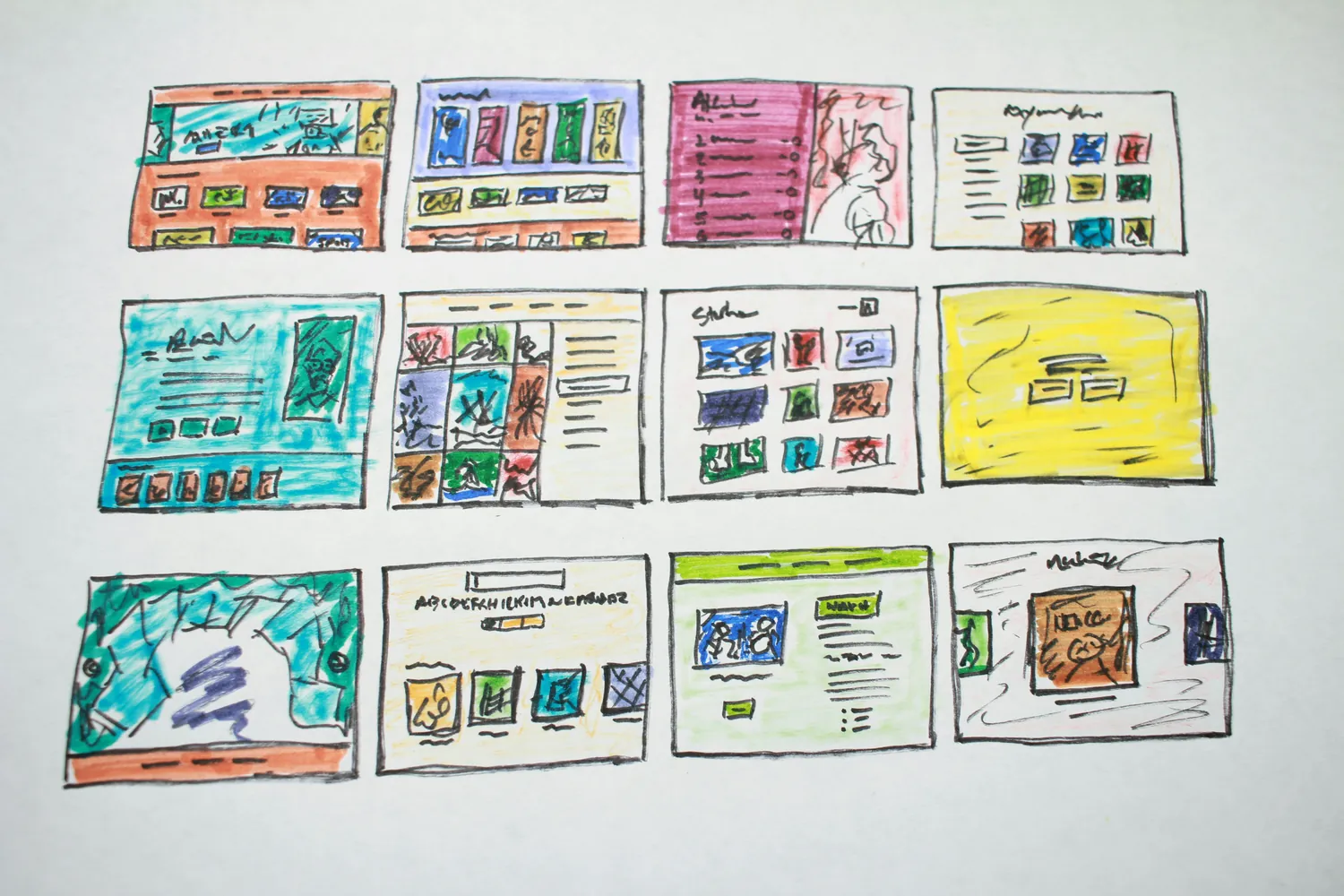
The Power of Visualization in Learning
Visualization techniques have long been recognized as powerful tools in the realm of education and self-improvement. Whether you're a student striving for better grades or a lifelong learner aiming to enhance your cognitive abilities, visualization can dramatically improve your capacity to absorb and retain information.
Visualization, in essence, involves creating mental images or diagrams that represent information. By transforming abstract concepts into concrete images, learners can engage more senses during the learning process, which leads to deeper understanding and longer retention of information.
Types of Visualization Techniques
There are several visualization techniques that can aid in learning. Each has its unique strengths and can be applied depending on the nature of the material and personal learning preferences.
1. Diagrams
Diagrams, such as mind maps or flowcharts, are visual representations of information where ideas are interconnected through nodes and links. They are particularly effective for subjects requiring conceptual understanding and for organizing complex information. For instance, a biology student might use diagrams to map out the process of photosynthesis, connecting elements like sunlight, water, carbon dioxide, and glucose.
2. Mental Imagery
Mental imagery involves creating vivid mental pictures to associate with the information being learned. This method is highly effective for memorization tasks. For example, if you're trying to remember the bones of the human body, you might imagine each bone vividly and create a story around them.
3. Conceptual Maps
Conceptual maps are similar to mind maps but focus on relationships between concepts. They are useful for subjects like history or literature, where understanding the context and connections is key. A student studying American history could use a conceptual map to link significant events chronologically while showing their interrelations.
Implementing Visualization into Your Study Routine
Integrating visualization techniques into your daily study routine requires strategic planning and practice. Here's a mini-framework to help you get started:
Step 1: Identify Key Concepts
Before you begin using visualization, identify the key concepts or themes you need to focus on. Prioritize these topics based on your curriculum or personal learning goals. This will help you stay organized and ensure that you're concentrating your efforts where it matters most.
Step 2: Choose the Right Visualization Technique
Select a visualization technique that aligns with your subject matter. For subjects like mathematics or sciences, diagrams can help visualize equations or processes. For language arts or history, conceptual maps or mental imagery might be more effective.
Step 3: Create Your Visual Aids
Create diagrams, maps, or mental images that represent the concepts you're studying. Use colors, symbols, and labels to enhance clarity and recall. Remember, these visuals don't have to be artistically perfect—they just need to be meaningful and helpful for you.
Step 4: Integrate Review Sessions
Set regular review sessions in your study calendar. Revisiting your visuals reinforces learning and aids in memory retention. Use spaced repetition techniques by gradually increasing intervals between reviews to enhance long-term retention.
Step 5: Evaluate and Adjust
Regularly assess the effectiveness of your visualization techniques. Are they helping you understand and remember the material better? Don't hesitate to modify your methods if needed—learning is an iterative process, and finding what works best for you is crucial.
Practical Tips for Effective Visualization
- Simplify Your Visuals: Overly complex visuals can overwhelm rather than help. Aim for simplicity and clarity.
- Use Technology: Leverage digital tools like diagramming software or apps designed for mind mapping to create polished visuals easily.
- Engage Multiple Senses: When using mental imagery, incorporate smells, sounds, and textures to make your images more vivid and memorable.
- Practice Consistently: Like any skill, visualization improves with practice. Dedicate time to hone this skill regularly.
Conclusion
Effective visualization strategies hold immense potential for maximizing learning outcomes by transforming how we process and retain information. By integrating these techniques into your study routine, you can develop a deeper understanding of complex subjects and enhance your memory retention capabilities significantly. Remember, visualization is not about artistic ability—it's about finding creative ways to represent and internalize knowledge.